Cel mai bun mod de a plia Șosete pentru bărbați Pentru depozitarea de zi cu zi în sertar este metoda KonMari: așezați un șosetă deasupra celuilalt, pliați perechea în treimi de la vârf la manșetă, apoi puneți dreptunghiul compact în poziție verticală în sertar. Această abordare protejează elasticul manșetei, economisește spațiu în sertar și vă permite să vedeți fiecare pereche dintr-o privire, fără a scotoci. Pentru călătorii sau la sală, rola militară comprimă șosetele într-un pergament strâns care se blochează împreună fără a se desface în geantă. Singura tehnică pe care trebuie să o eviți permanent este ballingul, care forțează elasticul manșetei printr-un ciclu complet de întindere de fiecare dată când depozitezi o pereche și degradează elastanul cu 15 până la 25% în 50 de cicluri. , transformând o pereche de calitate în șosete lăsătoare, care alunecă cu mult înainte ca materialul în sine să se uzeze (Sursa: DeadSoxy, How to Fold Socks: 5 Methods Compared). Metoda pe care o alegeți contează pentru că afectează direct cât durează șosetele.
De ce metoda de pliere afectează durata de viață a șosetelor
Majoritatea bărbaților aleg orice obicei de a plia șosetele pe care l-au dezvoltat în adolescență și îl păstrează pe viață, fără să-și dea seama că o tehnică poate scurta viața utilă a unei perechi la jumătate. Mecanismul este simplu: manșetele șosetelor conțin elastan, o fibră sintetică care se întinde până la 600 la sută din lungimea inițială și se fixează înapoi. Dar elastanul are o limită de oboseală și fiecare ciclu de întindere extremă slăbește lanțurile polimerice din interiorul fibrei.
Comparația DeadSoxy a metodelor de pliere explică modelul de deteriorare: șosetele cu bile forțează elasticul manșetei printr-un ciclu de întindere extremă de fiecare dată când depozitați o pereche și peste 50 de cicluri elasticul își pierde 15 până la 25% din forța de recuperare; peste 200 de cicluri, aproximativ un an de utilizare zilnică pentru o singură pereche în rotație, elasticul este permanent deformat (Sursa: DeadSoxy, How to Fold Socks: 5 Methods Compared). Rezultatul este manșeta slăbită, glisantă, care face ca o pereche să se simtă uzată chiar și atunci când materialul este intact vizual. În schimb, pliul KonMari și stiva plată nu implică deloc întindere elastică, motiv pentru care producătorii de șosete premium și profesioniștii în organizare le recomandă pentru îmbrăcăminte și șosete de zi cu zi de calitate.
Ghidul de pliere a șosetelor de la AusCufflinks confirmă același principiu: șosetele trebuie pliate ușor, fără a întinde materialul, iar metoda de rulare și pliere, în care șosetele sunt înfășurate strâns într-o minge, supraîntinde elasticul și ar trebui evitate pentru orice tip de șosete în care longevitatea contează (Sursa: AusCufflinks, Sock Folding Guide).
Plierea KonMari: Cea mai bună metodă completă pentru șosete de zi cu zi
Metoda KonMari, dezvoltată de consultantul de organizare Marie Kondo, este recomandată în mod constant de organizatorii profesioniști și producătorii de șosete ca fiind cea mai bună combinație de protecție elastică, eficiență a spațiului și vizibilitate sertarului pentru șosetele de zi cu zi pentru echipaj și rochii.
Instrucțiuni pas cu pas
- Așezați primul șosetă pe o suprafață curată
- Așezați șoseta potrivită deasupra, aliniind marginile și netezind orice riduri, astfel încât ambele șosete să se alinieze curat de la vârf la manșetă
- Îndoiți capătul vârfului ambelor șosete spre mijloc, aproximativ o treime din lungimea totală
- Îndoiți capătul manșetei în jos peste primul pliu, astfel încât perechea să formeze un dreptunghi compact
- Așezați dreptunghiul pliat în poziție verticală în sertar, astfel încât marginea pliată să fie în sus și să puteți vedea modelul sau culoarea de sus (Sursa: Spairs, Cum să pliați șosetele: Tehnici ușoare pentru a vă menține sertarul de șosete organizat)
De ce funcționează
Ghidul de pliere al lui Organized31 recomandă plierea fișierului KonMari special pentru organizarea clienților, deoarece produce un aspect uniform pentru toate perechile și vă permite să vedeți fiecare pereche în sertar fără a scotoci, ceea ce asigură, de asemenea, că perechile mai vechi din față sunt folosite mai întâi, mai degrabă decât împinse în spate și uitate (Sursa: Organized31, Cum să pliați cu grijă șosetele). Ghidul de organizare al lui Monfoot confirmă că, cu șosetele în picioare, un sertar obișnuit poate ține între 59 și 79 de perechi cu vizibilitate deplină a fiecărei perechi, o îmbunătățire semnificativă față de stivuirea plată, unde doar stratul superior este accesibil (Sursa: Monfoot, Streamlining Your Drawer: The Best Ways to Fold Socks).
Pentru tipurile de șosete mai lungi, cum ar fi stilurile peste vițel și până la genunchi, Sockwell recomandă plierea în treimi sau plierea în jumătate de două ori, ajustând lungimea șosetei, astfel încât toate perechile să ajungă la o înălțime și lățime relativ uniforme în sertar, indiferent de cât de lung este șosetul (Sursa: Sockwell, How to KonMari Your Sock Drawer).
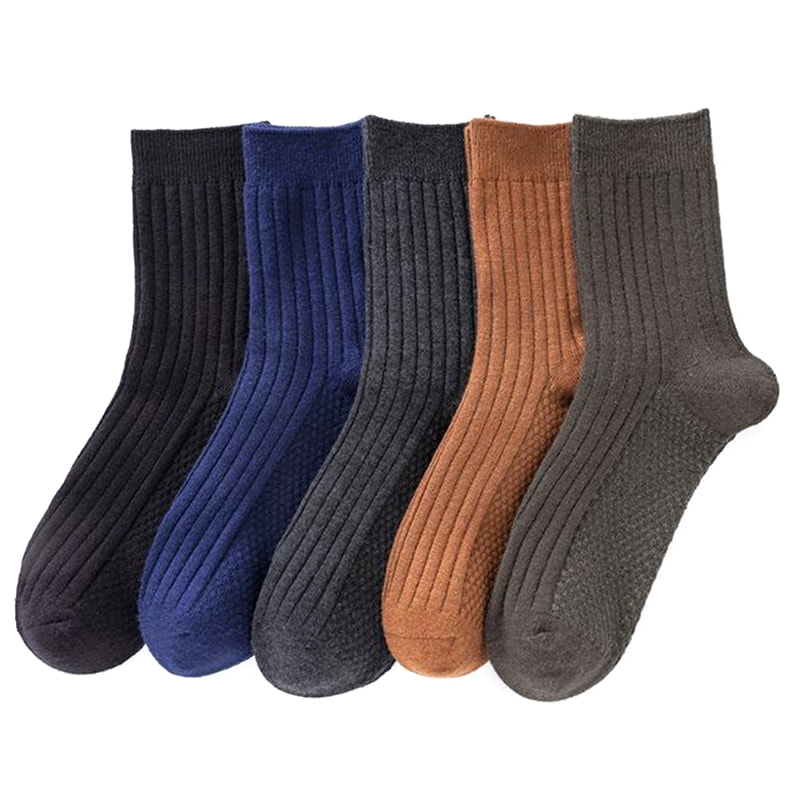
Plierea plată: cea mai blândă metodă pentru șosete premium
Pentru șosetele de rochie din lână merinos delicată, amestecuri de bambus sau bumbac fin, chiar și plierea minimă a metodei KonMari introduce o oarecare stres de flexibilitate la liniile de pliere. Plierea plată elimină acest lucru prin stivuirea perechii fără nicio îndoire a materialului.
Instrucțiuni pas cu pas
- Așezați ambii șosete câte o pereche unul peste altul, cu marginile aliniate
- Îndoiți o dată în jumătate pe lățime, astfel încât capătul degetului să se întâlnească cu manșeta, creând un dreptunghi plat
- Stivuiți perechile plate în sertar cu marginea îndoită vizibilă din față sau puneți-le în poziție verticală dacă sertarul este suficient de adânc
Ghidul AusCufflinks identifică pliul plat drept metoda preferată pentru șosetele subțiri cu construcție delicată, unde menținerea formei originale și evitarea chiar și compresia ușoară a pliului este prioritară (Sursa: AusCufflinks, Sock Folding Guide). DeadSoxy confirmă că stiva plată este cea mai blândă metodă pentru șosete elastice și țesături, recomandând-o în mod special pentru șosete de rochie premium cu amestecuri de bambus sau merinos, unde înlocuirea unei perechi deteriorate costă mult mai mult decât să ai grijă suplimentară de a le plia corect (Sursa: DeadSoxy, How to Fold Socks: 5 Methods Compared).
Rolul militar: cea mai bună metodă pentru genți de călătorie și de gimnastică
Rolul militar, numit și rol de ranger sau rol de armată, comprimă o pereche de șosete în cel mai mic pachet posibil, rulând strâns de la vârf la manșetă și apoi blocând rola în interiorul manșetei exterioare a șosetei. Economisește mult mai mult spațiu decât orice metodă bazată pe sertare, ceea ce o face tehnica standard pentru împachetarea bagajelor și organizarea truselor de gimnastică.
Instrucțiuni pas cu pas
- Așezați ambii șosete a câte o pereche pe o suprafață, cu tocurile în sus, cu șosetul exterior tras ușor în jos la manșetă pentru a distribui materialul mai uniform
- Începând de la vârful degetelor, rulați ambele șosete împreună strâns, menținând ruloul ferm și chiar până la manșetă.
- Când ajungeți la manșeta șosetei exterioare, deschideți-o și trageți-o în spate peste întreg pachetul rulat pentru a bloca totul în loc.
- Verificați dacă ruloul este sigur, verificând dacă manșeta formează o etanșare curată în jurul exteriorului pachetului (Sursa: SockPrinter, Cum să vă pliați șosetele fără a le întinde excesiv; Sursa șosetelor, Cum să pliați șosetele)
Schimbul pe care trebuie să-l cunoașteți înainte de a-l folosi zilnic
Rolul militar economisește spațiu eficient, dar cu un cost pentru manșeta care se înfășoară în exterior. Analiza DeadSoxy confirmă că rulada militară economisește cu 40 la sută mai mult spațiu decât orice altă metodă, dar subliniază elasticul exterior al manșetei la fiecare utilizare și recomandă rezervarea lui pentru șosete de călătorie și atletice, care oricum sunt mai greu de utilizat, decât aplicarea zilnică la îmbrăcăminte sau la șosete de calitate de zi cu zi (Sursa: DeadSoxy, How to Fold Socks: 5 comparat). Ghidul lui Organized31, de la un fost instructor de antrenament al Forțelor Aeriene, remarcă același avantaj: șosetele pot fi rulate foarte strânse și compacte pentru spații mici și bagaje, dar pentru depozitarea sertarului de acasă plierea fișierului este de preferat pentru conservarea elastică pe termen lung (Sursa: Organized31, How to Fold Socks Neatly).
Plierea simplă pe jumătate: cea mai rapidă metodă pentru depozitare rapidă
Pentru momentele în care viteza este prioritatea, îndoirea pe jumătate este cea mai rapidă tehnică care încă ține perechile împreună fără a întinde elasticul.
- Așezați ambii șosete dintr-o pereche la plat, unul peste altul, cu manșeta aliniată la manșetă
- Îndoiți perechea în jumătate la articulația călcâiului, astfel încât manșetele să cadă pe degetele de la picioare
- Puneți în sertar sau aruncați într-un coș special
SockPrinter identifică aceasta ca fiind cea mai simplă dintre toate tehnicile de pliere, ideală pentru tipurile de șosete scurte, cum ar fi șosetele neprezentate, șosetele pentru glezne și șosetele sferturi, unde lungimea este suficient de scurtă încât o singură jumătate de pliere să producă o unitate compactă și ușor de gestionat (Sursa: SockPrinter, Cum să-ți pliezi șosetele fără a-i supraîntinde). Dezavantajul este că șosetele pliate pe jumătate stivuite devin rapid dezorganizate atunci când perechile sunt trase din mijlocul unei stive, motiv pentru care această metodă funcționează cel mai bine într-un coș sau cutie cu separatoare de sertare, mai degrabă decât într-un sertar deschis.
Potrivirea metodei de pliere la tipul de șosete
Nicio metodă de pliere nu este optimă pentru fiecare tip de șosetă din garderoba unui bărbat. Potrivirea tehnicii cu tipul de șosete obține cel mai bun rezultat pentru fiecare categorie.
| Tip șosetă | Metoda recomandată | Motivul |
| Șosete de rochie premium (merinos, bambus, bumbac fin) | Pliat plat | Zero stres elastic, păstrează structura delicată a țesăturii |
| Șosete pentru echipaj de zi cu zi (amestec de bumbac) | KonMari fold | Fără întindere elastică, vizibilitate sertarului, spațiu eficient |
| Șosete atletice și sport | Rolul militar sau KonMari | Compact pentru geanta de sport sau verticală în secțiunea sertarului dedicată |
| Sosete de neprezentare și glezne | Half fold sau KonMari | Lungimea scurtă face ca treimii KonMari să nu fie necesare; jumatate pliu la fel de compact |
| Șosete peste vițel și până la genunchi | KonMari pliază în treimi sau pliază plat | Lungimea suplimentară necesită mai multe pliuri pentru a ajunge la o înălțime uniformă a sertarului |
| Ambalaj de călătorie (toate tipurile) | Rolul militar | Cu 40 la sută mai eficient din punct de vedere al spațiului decât orice altă metodă pentru bagaje |
DeadSoxy rezumă direct acest principiu de potrivire: folosește teancul plat pentru șosete de rochie premium cu amestecuri delicate de bambus sau merinos, folosește KonMari pentru șosete din bumbac de zi cu zi și rezervă ruloul militar pentru șosete de atletism și de călătorie care oricum sunt mai greu de utilizat, observând că metodele de amestecare pe categorii este mai inteligentă decât a forța o tehnică pe fiecare șosetă (Source in the Socks: 5 metode comparate).
Organizarea sertarului de șosete după pliere
Plierea corectă a șosetelor este doar jumătate din sistem. Modul în care sunt aranjate în sertar determină dacă organizația ține de la o zi la alta sau se prăbușește înapoi într-o grămadă în decurs de o săptămână.
- Sortați după ocazie înainte de a le pune în sertar: păstrați șosetele de rochie, șosetele casual de zi cu zi, șosetele de atletism și șosetele de specialitate în secțiuni separate, astfel încât fiecare tip să fie accesibil în contextul potrivit, fără a căuta (Sursa: AusCufflinks, Sock Folding Guide)
- Folosiți separatoare de sertare sau cutii mici pentru a menține limitele secțiunilor în timp, deoarece fără separatoare fizice, perechile din secțiunile adiacente se amestecă după câteva zile de utilizare (Sursa: Monfoot, Streamlining Your Drawer: The Best Ways to Fold Socks)
- În cadrul fiecărei categorii, organizați după culoare într-un gradient de la deschis la întunecat sau grupați culori similare; AusCufflinks sugerează împărțirea întunericului în bleumarin, negru și gri pentru o potrivire rapidă a culorilor în diminețile grăbite (Sursa: AusCufflinks, Ghid pliabil pentru șosete)
- Rotiți perechile mai vechi în față de fiecare dată când șosete curate noi sunt puse deoparte, astfel încât toate perechile din rotație să primească uzură egală, ceea ce prelungește durata de viață a întregii colecții, împiedicând utilizarea zilnică a acelorași două perechi, în timp ce altele se acumulează în spate (Sursa: The Sock Source, How to Fold Socks)
- Scoateți șosetele noi din ambalaj înainte de a le adăuga în sertar; Sockwell observă că șosetele vândute în ambalaj de vânzare cu amănuntul sunt comprimate și ar trebui despachetate și pliate corespunzător înainte de prima utilizare pentru a se asigura că încep viața în aceeași stare ca restul colecției (Sursa: Sockwell, How to KonMari Your Sock Drawer)
Semne că este timpul să se înlocuiască, mai degrabă decât să se replieze
Chiar și cele mai bune obiceiuri de pliere nu pot inversa uzura care a avut loc deja. Recunoașterea când o pereche și-a depășit durata de viață utilă împiedică sertarul să se umple cu șosete care arată organizate, dar nu mai performanțe.
- Manșete care se lasă sau alunecă în jos pe picior în câteva minute de la punerea lor, indicând faptul că elasticul manșetei a atins o deformare permanentă fără recuperare
- Țesătură subțire la călcâi sau la nivelul piciorului, care creează riscul de apariție a veziculelor și reduce performanța de amortizare a șosetelor de atletism
- Găuri vizibile, pilling sau abraziune prin cusătura degetelor sau zona tălpii
- Decolorarea culorii sau pierderea modelului care indică că vopseaua s-a uzat și fibrele se degradează la suprafață
Sock Source recomandă donarea sau reciclarea șosetelor subțiri uzate pentru a menține sertarul proaspăt și pentru a se asigura că numai perechile complet funcționale rămân în rotație (Sursa: The Sock Source, How to Fold Socks). Începând cu construcția de calitate, acest ciclu de rotație este mai lung pentru fiecare pereche. Bjle Șosete pentru bărbați Gama este realizată cu materiale durabile și o construcție elastică de calitate, care răspunde bine tehnicilor de pliere adecvate, oferind fiecărei perechi fundația structurală necesară pentru a-și menține forma, potrivirea și performanța de-a lungul anilor de utilizare regulată atunci când este depozitată corect.


